
The Department of Archeology at Salahaddin University-Erbil has a distinct history that dates back to its establishment in 1968 as part of the College of Science at the University of Sulaimani. The department, which initially provided specialized divisions in Botany and Zoology, relocated to Erbil in 1981 to become an essential department of Salahaddin University-Erbil. The department has undergone numerous structural changes over the years, and its current configuration, established in 2018, divides it into two sub-departments: general biology and biomedical sciences. Since 1976, the department has been a leader in postgraduate education, offering Ph.D. and M.Sc. programs in various biological disciplines and a comprehensive four-year Bachelor of Science program.
The department promotes an advanced understanding of molecular biology, genetics, physiology, and microbiology by integrating theoretical knowledge with practical experience through seminars, laboratory work, and lectures. The program of study is designed to provide graduates with the necessary skills for pursuing professions in academia, health care, research, and beyond.
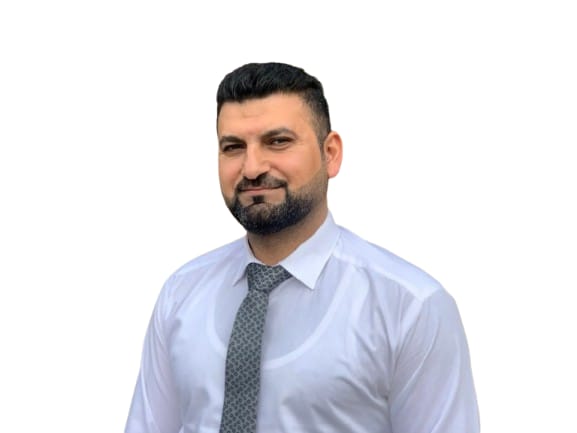 Dr. Abdullah Bakr Othman
Since December 2007-2009, he is Assistant researcher at Archaeology Department, Salaheddin University - Erbil, Erbil, Kurdistan-Iraq and since May 2012, he is employed in the University of Salaheddin Erbil-Iraq, among the teaching staff of the Department of Archaeology at the faculty of Arts.
From 2003, he was the student of the Salaheddin University (College of Arts, Department of Archaeology) where he graduated in 2007 and from 2008, he was teaching as assistant lecturer at the Department of Archaeology.
In 2010, he started his MA studies the history of the Ancient Near East at the Université Lumière Lyon II under the supervision of Olivier Rouault. “The Nuzzi Pottery in North-Iraq” is the title of his MA thesis. In 2019, he got his PhD about : “The Middle and Neo-Assyrian pottery in Iraqi Kurdistan (1200-600 B.C)” with the supervision of Kalla Gabor at the Archaeology doctoral program of the Eötvös Loránd University. As MA student he participated in the archaeological field works in Erbil at Tell Qasra (Northern of Erbil Citadel) and Tell Kilik Mishik. He was the member of the excavation at Qasr Shamamok from 2010 to 2014. From 2016 till now he participated in the excavation of the Ludwig-Maximilians-Universität München (three seasons per year) at Gird-I Bazar and Qalat-I Dinka in Peshdar plain. Since 2018, he joined in the excavations of the ELTE University at the Grdi Tle in the Ranya plain. Finally he published several papers, for more detail look his google scholar.The mission of the Department of Archaeology is to: Provide students with comprehensive academic training in archaeological theory, methods, and fieldwork. Promote the documentation, conservation, and interpretation of archaeological sites and artifacts. Encourage interdisciplinary research that connects archaeology with history, anthropology, and cultural studies. Serve the community through public education and collaborative efforts with museums, cultural institutions, and heritage organizations. Support the protection and promotion of Kurdistan’s rich archaeological and historical legacy. Let me know if you'd like this translated into Kurdish or Arabic, or adapted to emphasize a particular area like Mesopotamian archaeology, cultural tourism, or museum studies.
VisionThe Department of Archaeology aspires to become a regional leader in archaeological education, research, and cultural heritage preservation. It envisions fostering a deeper understanding of the ancient civilizations of Kurdistan, Mesopotamia, and the wider Near East, while contributing to the protection and appreciation of cultural heritage at both national and international levels.
Graduates from the Department of Archaeology will:
Here is a formal and academic-style version of the Learning Outcomes for the Department of Archaeology at Salahaddin University-Erbil, based on typical program structures in the region and international standards in archaeological education. This version is suitable for official documents, course catalogs, accreditation reports, or department websites:🏛️ Learning Outcomes – Department of Archaeology Salahaddin University-Erbil Degree Level: Bachelor of Arts in Archaeology (BA)
Upon successful completion of the undergraduate program in Archaeology, students will be able to:
1. Knowledge and Understanding Demonstrate a comprehensive understanding of the ancient history, civilizations, and cultural heritage of Mesopotamia, Kurdistan, Iraq, and the broader Middle East.
Identify and explain key archaeological periods, theories, methods, and terminology.
Understand the development and role of archaeology in preserving cultural identity and historical knowledge.
2. Archaeological Methods and Field Skills Apply archaeological methods such as excavation, survey, stratigraphy, typology, and site analysis.
Use proper documentation techniques, including drawing, photography, mapping, and field note-taking.
Handle archaeological materials, artifacts, and ecofacts with care and professionalism.
3. Analytical and Critical Thinking Analyze archaeological data to interpret past human activities and societal development.
Compare and evaluate different interpretations of archaeological evidence.
Apply critical thinking to historical, cultural, and scientific sources.
🧾4. Research and Academic Writing
Conduct independent and collaborative research projects using academic methodologies.
Review and synthesize primary and secondary sources in archaeology and related fields.
Write clear, structured, and well-argued reports, essays, and graduation theses.
5. Communication and Collaboration Communicate archaeological findings effectively to academic and non-specialist audiences.
Participate in discussions, seminars, and presentations using appropriate academic and cultural language.
Work as part of interdisciplinary research teams during fieldwork and projects.
6. Ethical and Cultural Awareness Demonstrate ethical responsibility in handling cultural heritage and human remains.
Respect diverse cultures, histories, and narratives represented in archaeological materials.
Understand national and international laws related to cultural property and site preservation.
7. Employability and Lifelong Learning
Prepare for professional roles in museums, cultural heritage institutions, tourism, education, and academic research.
Engage in lifelong learning through continuing education, postgraduate study, or training programs.
Show adaptability, discipline, and commitment to preserving and promoting cultural heritage.
International Collaborations
- University of Oxford – Joint excavation projects and cultural heritage preservation.
- German Archaeological Institute – Collaborative research on Mesopotamian sites.
- UNESCO – Partnership for safeguarding endangered archaeological zones.
Local Partnerships
- Erbil Directorate of Antiquities – Fieldwork and site documentation.
- Kurdistan Museum – Artifact analysis and public exhibitions.
- Ministry of Culture – Policy development and heritage education.
Student Opportunities
- Field training with international teams
- Access to excavation sites and lab facilities
- Scholarships for archaeological research abroad
- Apply for Fieldwork Program
Degree Program Overview
Program Objectives To provide students with foundational and advanced knowledge of ancient civilizations, particularly Mesopotamian and Kurdish heritage.
To equip students with fieldwork and analytical skills in archaeological excavation, survey, and material analysis.
To prepare graduates for careers in cultural heritage, research, museum work, and postgraduate study.
Postgraduate Studies
Year 1 – Coursework:
Year 2 – Thesis:
- Independent research under supervision
- Field or archival component (as applicable)
- Formal written thesis and oral defense.
Program learning outcome
General Learning Outcomes Across Programs While the university doesn’t publish a centralized list of learning outcomes for each department, several academic initiatives and studies highlight key goals: - Knowledge acquisition: Students are expected to gain foundational and specialized knowledge relevant to their field. - Skill development: Programs aim to build analytical, research, and communication skills. - Labor market alignment: There's a growing emphasis on aligning education with job market needs, especially in fields like economics, business, and engineering. - Language proficiency: Although students gain basic language skills, studies suggest more training is needed to meet market expectations.
Undergraduate Programs - The university offers Bachelor’s degrees in over 85 disciplines, including: - Psychology - Archaeology - Engineering (Civil, Electrical, Architectural) - Law - Education - Science and Humanities - Most programs are 4 years full-time, except for Architectural Engineering and Law, which are 5 years. - The academic year runs from September to early July, divided into two 15-week semesters.
The General Program in the Department of History is designed to provide undergraduate students with a foundational and well-rounded education in historical studies. It includes a balanced curriculum that introduces major historical periods, geographical regions, and historiographical methods, while allowing students to build essential academic and professional skills.
The Scientific Program in the Department of History refers to the rigorous, evidence-based academic structure through which historical knowledge is researched, analyzed, and taught. It emphasizes a scholarly and methodological approach to understanding the past, grounded in critical inquiry and source analysis.
Admissions
The Department of Biology offers two types of study options for prospective students, ensuring accessibility and flexibility based on individual circumstances:
- Zankoline (government-funded) Study
- Description: This option provides free tuition for students who meet the eligibility criteria and are accepted through the general centralized admission system, known as "Zancoline."
- Eligibility:
- Applicants must meet the academic requirements of the Ministry of Higher Education and Scientific Research.
- Selection is competitive and based on high school scores, particularly in scientific subjects.
- Benefits:
- Exemption from tuition fees.
- Access to complete university services and facilities.
- Parallel Study (Self-Funded)
- Description: This option allows students who do not secure a Zankoline seat to pursue their studies by paying a tuition fee.
- Tuition Fee: 3,000,000 IQD per year.
- Eligibility:
- Students must meet the minimum academic requirements for admission to the Biology program.
- This option provides additional opportunities for students to catch up on the Zankoline criteria.
- Benefits:
- Access to the same high-quality education, resources, and facilities as Zancoline students.
- Students can pursue their academic goals without being limited by centralized admission quotas.
Admission Requirements for Both Tracks
- Academic Qualifications:
- Completion of high school with a focus on the science track (biology, chemistry, and physics).
- Minimum GPA as determined by the Ministry of Higher Education.
- Application Process:
- Apply through the centralized admission system for Zankoline
- Submit required documents, including transcripts, identification, and certificates.
- Language Proficiency:
- Basic proficiency in English, as several courses are delivered in English.
- Kurdish language proficiency is also beneficial.
Graduate Employability
Graduates of the Department of Archaeology are equipped with a combination of academic knowledge, practical skills, and cultural awareness that make them employable across a range of sectors in both public and private institutions.
Graduate Programs
Master's Degrees
- MA in Philosophy – Focus on ethics, metaphysics, and regional thought.
- MA in Archaeology – Specialization in Mesopotamian and Kurdish heritage.
- MA in Environmental Studies – Interdisciplinary research on sustainability and policy.
Doctoral Programs
- PhD in Philosophy – Advanced research in logic, epistemology, and cultural philosophy.
- PhD in History & Archaeology – Field-based research and historical analysis.
Admissions & Scholarships
Student Support
- Academic Advising & Thesis Guidance
- Access to Research Labs & Libraries
- Career Services & Postgraduate Internships
Recent Publications
- Excavations in Erbil Citadel – Stratigraphic analysis and historical documentation. View Abstract
- Kurdistan’s Ancient Trade Routes – Study of Bronze Age settlements and regional connectivity.
- Preserving Heritage in Conflict Zones – Restoration strategies and international collaboration. Download PDF
- Rock Art of the Zagros Mountains – Interpretation of prehistoric symbols and cultural significance.
Journals & Platforms
Call for Submissions
Faculty and graduate students are invited to submit original research on excavation reports, artifact analysis, and cultural heritage preservation.Ongoing Projects
- Faith and Reason in Classical Thought – A philosophical study of St. Augustine’s theology and its modern relevance.
- Archaeological Mapping of Erbil Citadel – Documenting historical layers and urban evolution through fieldwork and GIS technology.
- Kurdish Ethical Traditions – Exploring indigenous moral frameworks and cultural values across generations.
Student-Led Initiatives
- Philosophy & Society – Research on ethics in public life and civic responsibility.
- Heritage Conservation Project – Field-based preservation of archaeological sites in the Erbil region.
Collaborative Research
- Postcolonial Thought Network – Joint studies with regional universities on identity, resistance, and cultural memory.
- Environmental Ethics & Policy – Interdisciplinary research with the Environmental Studies Department on sustainability and governance.
Get Involved
Students and faculty are encouraged to propose new projects, join existing teams, and contribute to publications and conferences. Submit a Research ProposalActive Research Groups
- Philosophy & Ethics Group – Focused on moral theory, cultural philosophy, and applied ethics.
- Archaeology & Heritage Collective – Dedicated to excavation, preservation, and historical analysis.
- Environmental Studies Network – Interdisciplinary research on sustainability and climate policy.
- Language & Logic Lab – Exploring semantics, symbolic logic, and linguistic philosophy.
Student Participation
- Join ongoing research projects and contribute to publications
- Attend workshops, seminars, and academic conferences
- Collaborate with faculty and peers across disciplines
- Apply to Join a Research Group
Resources & Support
- Undergraduate Research Fellowships
- Study Abroad & Exchange Programs
- Workshops on Critical Thinking and Philosophy
Career Development
- Internships with NGOs and Government Agencies
- Resume Clinics & Interview Coaching
- Annual Career Fair with Regional Employers
Leadership & Engagement
- Join Student Clubs & Academic Societies
- Volunteer for Community Outreach Projects
- Participate in Debate Tournaments and Model UN
Financial Support
Academic Advising
TWhile specific details about academic advising aren’t listed publicly, here’s what’s typically available: - Course planning: Advisors help students select courses aligned with their academic goals and graduation requirements. - Research guidance: Support for thesis topics, fieldwork planning, and publication opportunities. - Career pathways: Advice on careers in museums, cultural heritage, excavation projects, and postgraduate studies. You can explore the department’s academic work on Academia.edu’s Archaeology page or learn more about the university’s broader mission and student support on the Third Mission portal.
Internship Opportunities
Local & International NGO Internships in Erbil Several organizations offer internships that may align with university programs: | Organization | Internship Role | Duration | Link | |--------------|------------------|----------|------| | Free to Run | Program Intern (focus on youth, sport, and gender equity) | 6 months, part-time | Details | | UNFPA Iraq | Youth Programme Intern (social science/public health focus) | 5 months, full-time | Details | These roles often involve: - Community outreach - Event coordination - Research and reporting - Language translation (Arabic/Kurdish/English).
Career Services
Career Development Center Highlights - Skill-building workshops: Topics include innovation in work, marketing essentials, and mastering interpersonal relationships. - Labor market navigation: Guidance on how to approach job searches, interviews, and workplace expectations. - Academic-to-career transition: Support for choosing thesis topics and seminar themes that align with future career goals. - Industry partnerships: The CDC collaborates with employers to bridge the gap between academia and the job market.
Upcoming Conferences
- International Conference on Kurdish Heritage – October 2025, Erbil. Learn More
- Philosophy and Ethics Symposium – November 2025, hosted by the Department of Philosophy.
- Archaeology in the Zagros Region – December 2025, featuring fieldwork presentations and panel discussions.
Workshops & Training
- Academic Writing Workshop – Tips for publishing in international journals. Register
- GIS for Archaeologists – Hands-on training in mapping and spatial analysis.
- Ethics in Research – A seminar on responsible scholarship and data integrity.
How to Participate
- Open to students, faculty, and external researchers
- Certificates of participation provided
- Submit abstracts or proposals via the Event Portal
New Archaeology Lab Opens
September 1, 2025
The Department of Archaeology has inaugurated a state-of-the-art research lab equipped with advanced tools for artifact analysis and digital mapping. Read MorePhilosophy Symposium Announced
August 28, 2025
The annual Philosophy Symposium will be held in October, featuring guest speakers from regional universities and a student-led ethics debate. Event DetailsStudent Research Wins National Award
August 15, 2025
Graduate student Rojan Ahmed received the National Research Excellence Award for her thesis on Kurdish cultural heritage preservation. View ProjectStudent Debate Team Wins Regional Championship
August 30, 2025
The university’s debate team triumphed at the Northern Iraq Regional Debate Tournament, showcasing critical thinking and eloquence. View HighlightsAnnual Student Festival Lights Up Campus
August 25, 2025
Music, art, and cultural performances brought students together for a vibrant celebration of creativity and community. See PhotosVolunteer Program Launches in Erbil
August 20, 2025
Students are invited to join the new community outreach initiative focused on education, health, and environmental awareness. Sign Up