
Geography
The Department of Geography explores the relationships between people, places, and environments across the globe. Geography bridges the natural and social sciences, offering insights into both the physical processes shaping the Earth and the human systems that influence and are influenced by these landscapes.
Our programs equip students with a broad understanding of topics such as climate change, urban development, geographic information systems (GIS), environmental sustainability, global inequality, and regional planning. Courses are designed to develop strong analytical, spatial, and critical thinking skills through both classroom learning and hands-on fieldwork.
Faculty members are engaged in cutting-edge research on issues ranging from environmental hazards and land use change to migration, geopolitics, and urbanization. The department emphasizes interdisciplinary collaboration and practical applications, preparing students for careers in environmental management, urban and regional planning, geospatial technologies, education, international development, and beyond.
With a strong commitment to academic excellence, innovation, and community engagement, the Department of Geography fosters a dynamic learning environment that encourages students to understand and address the most pressing global and local challenges of our time.
Let me know if you'd like to tailor this to a specific institution, include undergraduate/graduate program details, or add unique features like labs, field schools, or partnerships.
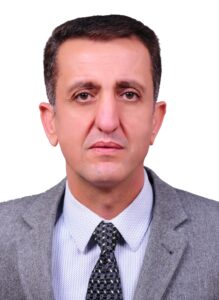
The mission of the Department is to provide high-quality postgraduate programs that empower researchers and professionals with advanced theoretical and practical knowledge in geography. It seeks to enhance critical thinking, research capabilities, and technical skills to address contemporary geographical and environmental challenges in both academic and applied contexts.
VisionThe Department of Geography aspires to be a leading center for postgraduate education and scientific research, committed to excellence and innovation in geographical studies. It aims to advance knowledge in spatial analysis, environmental sustainability, urban and regional planning, and geographic information systems (GIS), contributing meaningfully to national development and global research.
Learning Outcomes
Knowledge & Understanding
- Understand the role of urban green vegetation in environmental sustainability.
- Explain key concepts in GIS and remote sensing for urban analysis.
- Recognize spatial patterns and urban growth dynamics.
Skills Development
- Apply GIS and remote sensing tools to analyze urban land cover and vegetation.
- Interpret geospatial data for environmental impact assessments.
- Support urban planning with data-driven geoinformatics techniques.
Critical Thinking & Research
- Evaluate the effectiveness of green infrastructure in urban sustainability.
- Conduct independent research using spatial datasets and geospatial methods.
- Critically assess academic literature on urban planning and environmental quality.
Communication & Collaboration
- Present geospatial findings through maps, reports, and visualizations.
- Collaborate on interdisciplinary projects involving geography and urban planning.
- Communicate evidence-based insights to stakeholders and policymakers.
Strategic Partnerships
Collaboration with UN-Habitat
Established: March 2024
Joint research on urban development and sustainable land use in Erbil. Students participate in field surveys and GIS mapping projects supported by UN-Habitat experts. Read MoreAcademic Exchange with University of Leicester
Ongoing since 2023
Faculty and graduate students engage in joint seminars and remote learning modules focused on climate change and spatial analysis. Annual exchange visits are part of the program.GIS Training Program with Kurdistan Regional Government
Launched: January 2025
A professional development initiative offering certified GIS training to students and local planners. The program enhances technical skills and supports regional planning efforts.Environmental Monitoring with Nature Iraq
Started: June 2022
Collaborative research on water quality, biodiversity, and conservation in the Greater Zab River Basin. Students contribute to data collection and ecological reporting.About Us
The Department of Geography at Salahaddin University is a dynamic academic unit within the College of Arts, dedicated to the study of Earth's landscapes, environments, and human interactions. Our department plays a vital role in understanding the spatial dimensions of social, economic, and environmental issues affecting Kurdistan, Iraq, and the wider region. Through a combination of theoretical instruction, fieldwork, and technological training—including Geographic Information Systems (GIS)—we prepare students to analyze and address real-world challenges. Our faculty members are committed to excellence in teaching, research, and community engagement, fostering a learning environment that encourages curiosity, critical thinking, and innovation. Whether exploring climate change, urban development, or regional planning, the Department of Geography equips students with the tools to make meaningful contributions to society. We welcome aspiring geographers who are eager to understand the world and shape its future.Degree Program Overview
The Department of Biology provides undergraduate programs in biomedical sciences and general biology. These programs are intended to offer students a comprehensive biological and life sciences education, combining theoretical knowledge with extensive practical experience. Graduates can pursue advanced studies and meet the requirements of careers in academia, research, healthcare, biotechnology, and related fields.
General Biology Program
The general biology program provides in-depth knowledge of the fundamental principles of life sciences, with a special focus on molecular, cellular, organismal, and ecological biology, zoology, botany, microbiology, genetics, ecology, physiology, and biochemistry are among the varied subjects that students explore. The curriculum prioritizes the integration of theory and practice through research projects, field studies, and laboratory work. This program provides students with the necessary skills for exploring an extensive range of career opportunities, such as positions in environmental agencies, research institutions, education, and quality control laboratories.
Key features of the General Biology program include:- Core Courses in Zoology, Botany, Microbiology, Cell Biology, and Biochemistry.
- Elective courses allow students to specialize in specific areas of interest, such as toxic plants and tissue culture techniques.
- Research Project in the final year to develop scientific investigation and data analysis skills.
Biomedical Sciences Program
The Biomedical Sciences program highlights the adoption of biological principles into the fields of healthcare and medicine. It includes essential fields: molecular biology, microbiology, medical bacteriology, immunology, hematology, and clinical chemistry. This program provides students with the necessary skills and knowledge for future careers in medical laboratories, healthcare facilities, biotechnology firms, and research organizations. It also provides a strong basis for individuals pursuing clinical research, medicine, or advanced biomedical studies careers.
Key features of the Biomedical Sciences program include:- Core courses in medical bacteriology, genetics, molecular biology, immunology, and clinical laboratory techniques.
- Elective courses to explore specialized fields like histopathology, toxicology, and bioinformatics.
- Practical training in advanced laboratory techniques, diagnostic procedures, and biosafety protocols.
- Research Project in the final year to enhance analytical and problem-solving skills.
Program Structure
Both degree programs are four-year, full-time Bachelor of Science (B.Sc.) programs structured according to the European Credit Transfer and Accumulation System (ECTS). Each academic year is divided into two semesters, with students completing 30 ECTS credits per semester.
- Years 1 and 2 focus on foundational courses in biology, chemistry, and essential skills (e.g., computer skills and academic writing).
- Years 3 and 4 encompass electives, research projects, and specialized and advanced courses customized to each program.
Career Readiness and Development
The programs prioritize ethical practices in science, research skills, and practical experience. Students obtain advantages from:- Laboratory sessions that employ contemporary devices. • Opportunities for real-world experience through internships. • Academic advising and career services to facilitate employment or further education.
Postgraduate Studies
Program Overview - Offers a Bachelor of Arts (BA) in Geography. - Typically a 4-year full-time program, divided into two semesters per academic year. - The curriculum blends physical geography, human geography, and technical skills like GIS and remote sensing.
Degree Program Overview
Geography Department – Salahaddin UniversityProgram Description
The Geography Department offers a dynamic undergraduate program that blends physical and human geography, environmental studies, and geospatial technologies. Students develop analytical skills and field experience to understand spatial patterns and regional development.Degree Offered
- Bachelor of Arts in Geography
- Program Duration: 4 years (8 semesters)
- Instruction Languages: Kurdish, Arabic, and selected English modules
Core Areas of Study
- Physical Geography (climatology, geomorphology)
- Human Geography (urbanization, population, cultural landscapes)
- Geographic Information Systems (GIS) and Remote Sensing
- Environmental Management and Sustainability
- Regional Geography of Kurdistan and the Middle East
Learning Outcomes
- Understand spatial relationships and geographic processes
- Apply GIS and remote sensing tools to real-world challenges
- Conduct fieldwork and interpret geographic data
- Analyze environmental and urban systems
- Communicate geographic insights effectively
Career Pathways
- Urban and regional planning
- Environmental consulting and sustainability
- GIS and spatial data analysis
- Education and academic research
- Government and NGO development projects
Program learning outcome
Knowledge-Based Outcomes - Demonstrate a comprehensive understanding of physical and human geography, with emphasis on regional dynamics in Kurdistan and Iraq. - Analyze geographic phenomena using concepts from geomorphology, climatology, urban geography, and environmental studies. - Understand the interrelationship between humans and their environment, including cultural, economic, and political dimensions.
Tips to Get the Official Catalog - Visit the university’s main website: su.edu.krd - Contact the Geography Department directly or ask a faculty member listed on their Academia.edu page. - If you're a current student, check your student portal or registrar’s office for downloadable syllabi or course modules.
The General Program in the Department of History is designed to provide undergraduate students with a foundational and well-rounded education in historical studies. It includes a balanced curriculum that introduces major historical periods, geographical regions, and historiographical methods, while allowing students to build essential academic and professional skills.
The Scientific Program in the Department of History refers to the rigorous, evidence-based academic structure through which historical knowledge is researched, analyzed, and taught. It emphasizes a scholarly and methodological approach to understanding the past, grounded in critical inquiry and source analysis.
Curriculum Details
Geography Department – Salahaddin UniversityProgram Structure
The Bachelor of Arts in Geography is a four-year program divided into eight semesters. It combines theoretical foundations with practical applications in physical and human geography, GIS, and environmental studies.Semester Breakdown
| Semester | Core Courses | Credits |
|---|---|---|
| Semester 1 | Introduction to Geography, Physical Geography I, Cartography Basics | 18 |
| Semester 2 | Human Geography, Geomorphology, Map Interpretation | 18 |
| Semester 3 | Climatology, Urban Geography, GIS Fundamentals | 18 |
| Semester 4 | Population Geography, Remote Sensing, Field Techniques | 18 |
| Semester 5 | Environmental Geography, Regional Geography of Kurdistan, GIS Applications | 18 |
| Semester 6 | Economic Geography, Research Methods, Spatial Analysis | 18 |
| Semester 7 | Political Geography, Land Use Planning, Seminar | 18 |
| Semester 8 | Graduation Project, Environmental Impact Assessment, Internship | 18 |
Learning Outcomes
- Understand spatial relationships and geographic processes
- Apply GIS and remote sensing tools to real-world problems
- Analyze environmental and urban systems using geographic methods
- Conduct independent field research and data collection
- Communicate geographic findings effectively in written and oral formats
Elective Courses
- Geography of Natural Hazards
- Tourism and Cultural Geography
- Advanced GIS and Spatial Modeling
- Water Resource Management
Undergraduate Admissions
- Completion of secondary school with qualifying grades
- Placement through the national university admission system
- Interest in geography, environmental science, and spatial technologies
Graduate Admissions
- Master’s Program: Requires a BA in Geography or a related field
- PhD Program: Requires an MA in Geography or equivalent qualification
- Submission of academic transcripts and certificates
- Research proposal aligned with departmental focus areas
- Interview with the admissions committee
Graduate Employability
Improving Employability To boost career readiness, students are encouraged to: - Engage in internships and fieldwork during their studies. - Develop soft skills like communication and teamwork. - Pursue language proficiency and technical certifications relevant to their field. Would you like help exploring specific career paths based on your major or interests? I can also help identify internship opportunities or skill-building programs.
Graduate Program
Geography Department – Salahaddin UniversityProgram Overview
The graduate program in Geography at Salahaddin University offers advanced academic training in spatial analysis, environmental studies, and regional development. The program is designed to prepare students for careers in research, teaching, and professional practice in geography-related fields.Degrees Offered
- Master of Arts in Geography
- Doctor of Philosophy (PhD) in Geography
Areas of Specialization
- Urban and Regional Planning
- Environmental Geography
- Geographic Information Systems (GIS)
- Climatology and Hydrology
- Population and Cultural Geography
Admission Requirements
- Relevant undergraduate degree (for MA applicants)
- Master’s degree in Geography or related field (for PhD applicants)
- Minimum GPA as set by the university
- Research proposal and academic references
- Entrance exam and interview
Program Structure
- MA Program: 2 years (coursework + thesis)
- PhD Program: 3–5 years (advanced coursework + dissertation)
- Includes seminars, fieldwork, and GIS lab training
Research Opportunities
Graduate students collaborate with faculty on research projects related to urban growth, environmental change, and spatial data analysis. The department maintains partnerships with governmental and international organizations to support applied research and internships.Study Programs
The Department of Geography at Salahaddin University offers a diverse range of academic programs designed to explore the physical, human, and environmental dimensions of geography. These programs prepare students for careers in education, research, urban planning, environmental management, and public service.Undergraduate Program (BA in Geography)
- Duration: 4 years
- Core areas: Physical Geography, Human Geography, Cartography, and Geographic Information Systems (GIS)
- Fieldwork and practical training in geographic analysis
- Capstone project or research paper in the final year
Master’s Program (MA in Geography)
- Duration: 2 years
- Advanced coursework in spatial analysis, environmental geography, and regional development
- Research seminars and thesis preparation
- Focus on local and regional geographic challenges
Doctoral Program (PhD in Geography)
- Duration: 3–5 years
- Independent research contributing to geographic theory and practice
- Specialization in areas such as urban geography, climate studies, or GIS applications
- Dissertation defense and academic publication
Publications
The Department of Geography at Salahaddin University is actively engaged in research that contributes to the understanding of spatial dynamics, environmental challenges, and regional development. Faculty and students regularly publish in national and international journals, present at conferences, and collaborate with institutions across Kurdistan and beyond.
Recent Research Highlights
- Topographic Analysis of Mergasoor District – Investigating terrain impact on agricultural land use.
- GIS-Based Spatial Analysis of Private Hospitals in Erbil – Mapping healthcare accessibility using geographic tools.
- Geomorphic Hazards on Mountain Roads – Case study of Speelik–Mergasoor road and hazard mitigation strategies.
- Water Erosion Estimation in Akre Mountain – Applying the RUSLE model to predict erosion patterns.
- Soil Physicochemical Properties via Satellite Imagery – Using Landsat 8 and GIS to assess soil conditions in Erbil Governorate.
Explore More
- Visit our department profile on Academia.edu
- Follow individual researchers such as Hiwa Sadiq Saleem on Google Scholar
Research Projects
The Department of Geography at Salahaddin University leads a variety of research initiatives focused on spatial analysis, environmental sustainability, and regional development. These projects integrate fieldwork, GIS technologies, and interdisciplinary collaboration to address real-world challenges in Kurdistan and beyond.
Ongoing and Recent Projects
- Topographic Analysis of Mergasoor District – Investigating how terrain influences agricultural land use.
- Spatial Analysis of Private Hospitals in Erbil – Using GIS to evaluate healthcare accessibility across urban zones.
- Geomorphic Hazards on Mountain Roads – A case study of the Speelik–Mergasoor road to identify and mitigate natural risks.
- Water Erosion Estimation in Akre Mountain – Applying the RUSLE model to assess erosion in southwestern basins.
- Predicting Soil Physicochemical Properties – Integrating Landsat 8 satellite imagery and GIS to forecast soil conditions in Erbil Governorate.
Explore More
- Visit the department’s publication archive on Academia.edu
- Download full research papers such as the soil analysis study
Research Groups
The Department of Geography at Salahaddin University hosts several active research groups focused on advancing geographic knowledge through fieldwork, spatial analysis, and interdisciplinary collaboration. These groups contribute to regional development, environmental sustainability, and urban planning across Kurdistan and Iraq.
Active Research Groups
- Geomorphology and Environmental Hazards Group Focuses on terrain analysis, erosion modeling, and hazard mitigation in mountainous regions such as Akre and Mergasoor.
- GIS and Spatial Analysis Group Specializes in Geographic Information Systems, remote sensing, and spatial modeling—recently applied to healthcare accessibility and soil forecasting.
- Urban and Regional Planning Group Investigates urban expansion, land use change, and infrastructure development in cities like Erbil and Kirkuk.
- Climate and Sustainability Research Group Engages in climate change studies, water resource management, and environmental resilience strategies.
Explore Publications
- Visit the department’s archive on Academia.edu
- Follow individual researchers such as Hiwa Sadiq Saleem on Google Scholar
Opportunities for Students
The Department of Geography at Salahaddin University is committed to empowering students with meaningful academic, professional, and personal development opportunities. Whether you're pursuing research, fieldwork, or community engagement, there are many ways to grow and contribute.
Academic Enrichment
- Access to GIS labs and satellite imagery tools
- Participation in faculty-led research projects
- Workshops on cartography, spatial analysis, and environmental modeling
- Opportunities to present at student research symposiums
Professional Development
- Internships with urban planning offices, environmental agencies, and NGOs
- Career guidance and resume-building sessions
- Networking with professionals through seminars and guest lectures
- Support for publishing student research in academic journals
Extracurricular Engagement
- Geography Student Club for organizing field trips and cultural events
- Participation in university-wide competitions and exhibitions
- Volunteer opportunities in community mapping and sustainability projects
Global Exposure
- Access to international conferences such as the ICCCSUE Climate Conference
- Collaborative projects with universities abroad
- Online learning resources and academic platforms like Academia.edu
Research and Publications
The Department of Geography at Salahaddin University is actively engaged in research that addresses critical geographic issues affecting Kurdistan, Iraq, and the broader region. Faculty members and graduate students contribute to advancing knowledge in physical geography, human geography, environmental studies, and spatial analysis.Research Focus Areas
- Urban growth and regional planning
- Climate change and environmental sustainability
- Water resource management and hydrology
- Geographic Information Systems (GIS) and remote sensing
- Population studies and migration patterns
- Land use and agricultural geography
Publications
- Peer-reviewed articles in national and international geography journals
- Research papers presented at academic conferences and symposia
- Contributions to local publications and policy briefs on regional development
- Collaborative studies with governmental and environmental organizations
Academic Advising
Purpose of Academic Advising - Guide students in selecting courses that align with their academic goals and graduation requirements. - Support students in developing research topics, especially for fieldwork and thesis projects. - Help students understand university policies, academic calendars, and departmental expectations.
Internship Opportunities
Potential Internship Avenues - Local Government Agencies: Students may intern with departments focused on urban planning, environmental management, or regional development. - Research Centers & NGOs: Opportunities to assist in field surveys, GIS mapping, or community-based environmental projects. - University-Led Projects: Faculty often lead research initiatives where students can gain hands-on experience in data collection, map production, and spatial analysis.
Career Services
The Department of Biology is dedicated to providing comprehensive career services to assist students in their professional development. These services are intended to assist students in pursuing their career objectives, regardless of whether they intend to pursue graduate studies, enroll in the workforce, or investigate entrepreneurial opportunities. Career services provide students with the skills, resources, and insights to navigate the job market effectively.
Key Career Services Offered
- Career counseling and advice: Students obtain personalized career counseling sessions to assist them in identifying their strengths, interests, and potential career paths in biology, biomedical sciences, healthcare, research, and related industry sectors. Advisors offer advice on postgraduate study opportunities, career planning, and job search strategies.
- Workshops and Seminars: The department performs workshops and seminars on various topics, including interview preparation, networking skills, job market trends, and resume and cover letter writing.
- These sessions help students build confidence and gain practical knowledge for the job search process.
- Job Placement Assistance: The department partners with local hospitals, laboratories, research institutions, biotechnology firms, and environmental agencies to promote the connection between students and potential employers. Support for employment placement encompasses the dissemination of job postings, apprenticeship opportunities, and recruitment events.
- Career Fairs and Networking Events: The annual career fairs allow students to network with potential employers, receive insight into various career paths, and investigate career possibilities. Alumni, industry professionals, and faculty members are allowed opportunities to establish professional relationships through interaction at networking events.
- Graduate School Guidance: Supporting students who intend to be enrolled in M.Sc. or Ph.D. programs in biological sciences, including research proposal development, personal statement composition, and graduate school applications. Information sessions regarding opportunities for higher education on a local and international scale.
- Entrepreneurship Support: Career services offer resources on business planning, funding opportunities, and innovation in biosciences to students interested in establishing their businesses—collaboration with university entrepreneurship programs and local business incubators.
Benefits of Career Services
- Enhanced Employability: Students with strong resumes, interview skills, and professional connections are better prepared to enter the job market.
- Tailored Guidance: Personalized advising ensures each student receives support that is aligned with their unique goals.
- Industry insights: exposure to current trends and expectations in biology-related careers helps students stay competitive.
- Confidence and Readiness: Practical training and resources build confidence in students’ ability to pursue their desired careers.
Student Resources
The Department of Geography at Salahaddin University is committed to supporting students academically, professionally, and personally. A variety of resources are available to help students succeed in their studies and prepare for future careers.Academic Support
- Access to departmental library and geographic archives
- GIS lab equipped with mapping and spatial analysis software
- Faculty office hours for academic advising and mentorship
- Workshops on research methods, fieldwork techniques, and data interpretation
Career Development
- Internship opportunities with local planning and environmental agencies
- Career guidance and resume-building sessions
- Seminars with professionals in geography, urban planning, and environmental science
Student Life
- Geography student club for academic and social activities
- Field trips and excursions to explore regional geography and ecosystems
- Participation in university-wide cultural and academic events
Digital Resources
- Online access to course materials and lecture notes
- Digital mapping tools and satellite imagery databases
- University email and learning management system (LMS) support
Conferences & Workshops
Annual Kurdistan Geography Conference
Date: October 15–17, 2025
This flagship event brings together researchers, students, and policymakers to discuss regional development, climate resilience, and geospatial innovation. Register NowGIS & Remote Sensing Workshop
Date: September 28, 2025
A hands-on training session for students and professionals on using GIS tools, satellite imagery, and spatial analysis techniques. Workshop DetailsEnvironmental Change Symposium
Date: June 10, 2025
Focused on desertification, water scarcity, and sustainable land use, this symposium features keynote speakers from regional universities and NGOs. View ProgramStudent Research Showcase
Date: May 5, 2025
Undergraduate and graduate students present their fieldwork, mapping projects, and research papers in a collaborative academic setting. Submit AbstractDepartment News
New GIS Lab Opens for Student Research
Posted: September 1, 2025
The department has inaugurated a state-of-the-art GIS laboratory equipped with advanced mapping software and satellite data access. Students can now conduct spatial analysis and remote sensing projects with professional-grade tools. Read MoreFaculty Member Wins Regional Research Award
Posted: August 20, 2025
Dr. Haval Mahmood was honored with the Kurdistan Academic Excellence Award for his groundbreaking work on urban heat islands in Erbil. His research has influenced local planning policies and environmental strategies. View Award DetailsStudent Field Trip to Greater Zab River Basin
Posted: August 10, 2025
Third-year students participated in a multi-day field study exploring water resource management and hydrological mapping in the Greater Zab region. The trip included data collection, interviews with local farmers, and drone surveys. See Photo GalleryUpcoming Workshop: Climate Resilience in Kurdistan
Posted: July 30, 2025
The department will host a workshop on climate adaptation strategies, featuring guest speakers from regional universities and environmental NGOs. Registration is open to students and faculty. Register NowStudent News & Activities
Geography Club Hosts Sustainability Week
Posted: September 1, 2025
Students organized a week-long event featuring workshops, clean-up drives, and guest lectures on environmental sustainability. The initiative drew participation from across the university. View HighlightsStudent Mapping Project Wins Regional Award
Posted: August 20, 2025
A team of third-year students received recognition for their GIS-based mapping of flood-prone areas in Erbil. Their work was presented at the Kurdistan Youth Research Forum. Read MoreField Excursion to Shaqlawa Valley
Posted: August 10, 2025
Students explored geomorphological features and conducted soil and vegetation surveys during a guided field trip to Shaqlawa Valley, led by faculty from the Physical Geography division. See Photo GalleryCartography Workshop Led by Senior Students
Posted: July 30, 2025
Senior students hosted a peer-led workshop on map design and spatial visualization using QGIS and ArcGIS. Participants received certificates and hands-on experience. Download MaterialsNews and Events
International Conference on Climate Change Action (ICCCSUE 2025)
Salahaddin University proudly hosted the First International Conference on Climate Change Action: Challenges and Solutions on April 8–9, 2025. The event brought together 163 researchers from 15 countries and 29 universities to address pressing environmental issues in Kurdistan and beyond. Topics included climate health risks, AI-driven climate solutions, renewable energy, and migration impacts. Learn more about the conference on the official announcement from Kurdistan Chronicle or BasNews.Recent Publications
- Faculty members have published new research on urban expansion and water resource management in Erbil.
- Graduate students contributed papers on climate adaptation strategies and GIS applications in regional planning.
- Visit the department’s profile on Academia.edu to explore recent work.
Upcoming Events
- October 2025: GIS Workshop for students and local planners
- November 2025: Seminar on Climate Migration and Regional Stability
- December 2025: Annual Geography Student Research Symposium
Contact Us
We welcome your questions, feedback, and academic inquiries. Whether you're a prospective student, researcher, or collaborator, the Department of Geography at Salahaddin University is here to support you.- Address: College of Arts, Salahaddin University, Erbil, Kurdistan Region, Iraq
- Phone:
- Email: [email protected]
- Office Hours: Sunday – Thursday, 8:30 AM – 3:00 PM
<>